AGBOR KINGDOM
Ada of Agbor Kingdom

Royal Council

The traditional council that supports the institution, leadership and affairs of Agbor Kingdom.

Guardians of Tradition and Royal Institution

The Royal Council serves as a foundational pillar of governance within the Agbor Kingdom's traditional institution.

Drawing upon collective wisdom, generational experience, and deep rooted custom, the Council provides strategic guidance to the throne safeguarding the kingdom's heritage and ensuring responsible leadership across all realms.

Council Members

Members of the Council represent experience, traditional authority and service to the Kingdom.

Royal Council member
ROYAL COUNCIL

The Kingmakers

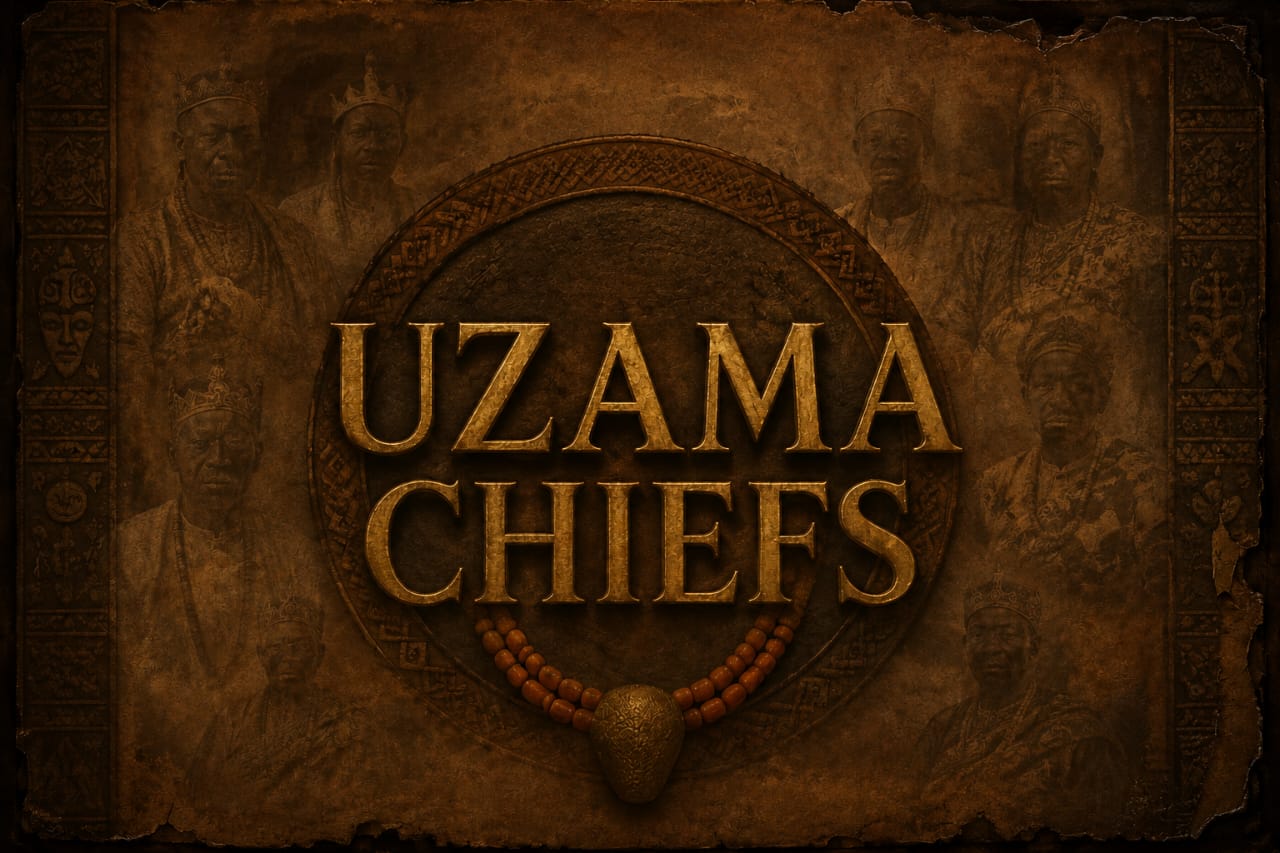
The Uzama Class Chiefs constitute the highest traditional order within the Agbor Kingdom administrative structure. Rooted in ancient hereditary succession passed down through primogeniture, the Uzama serve as the principal advisors to His Royal Majesty, the Dein of Agbor, and function as the supreme kingmakers of the realm. Select Uzama chiefs also hold hereditary leadership over their respective communities, clans, and quarters across the kingdom
Royal Council member
ROYAL COUNCIL

The Executive Cabinet

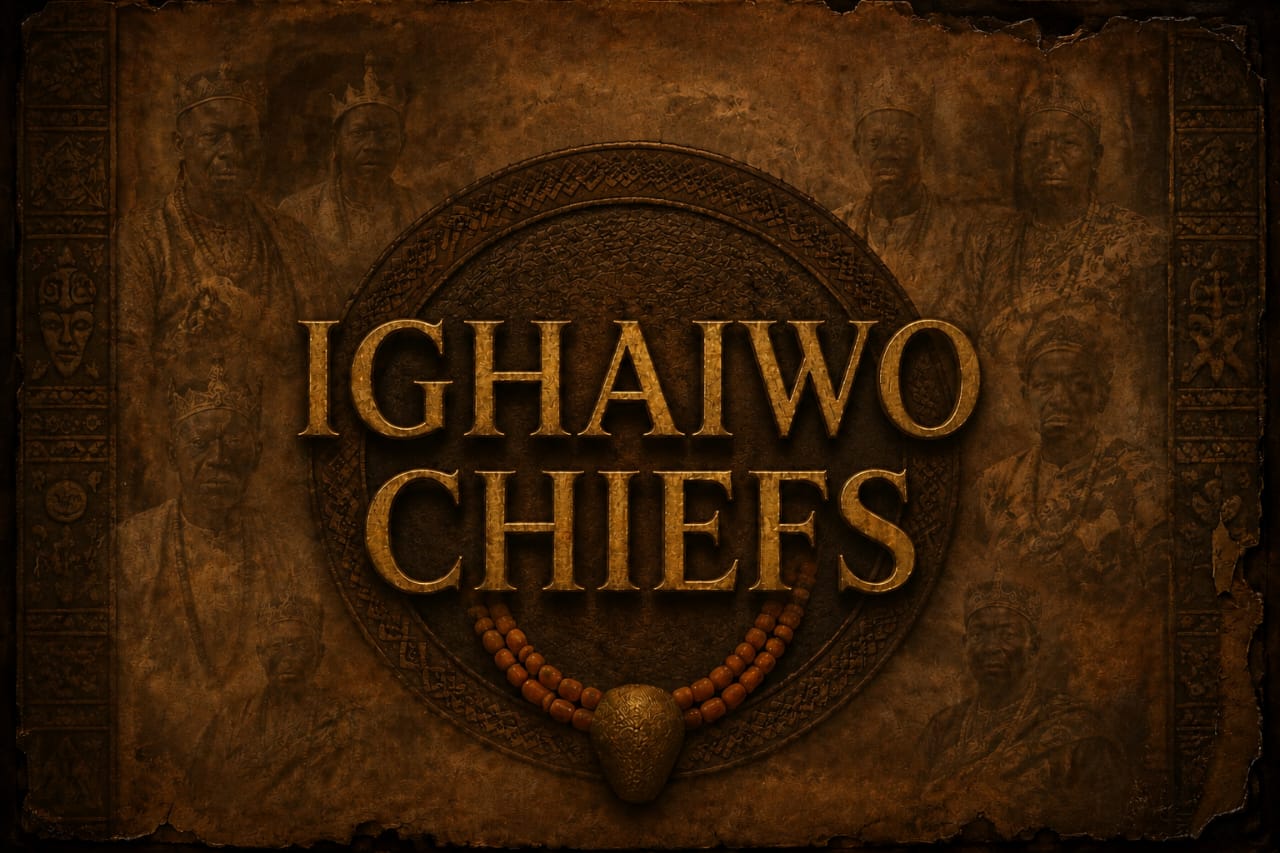
The Ighaiwo Class Chiefs constitute the second highest traditional governance order in Agbor Kingdom, ranking directly below the kingmaking Uzama class. Built upon the sacred principle of hereditary primogeniture.Select Ighaiwo chiefs also hold traditional authority over their respective communities, while serving collectively as the core executive cabinet of His Royal Majesty, the Dein of Agbor.

Royal Council member
ROYAL COUNCIL

The Traditional Cabinet

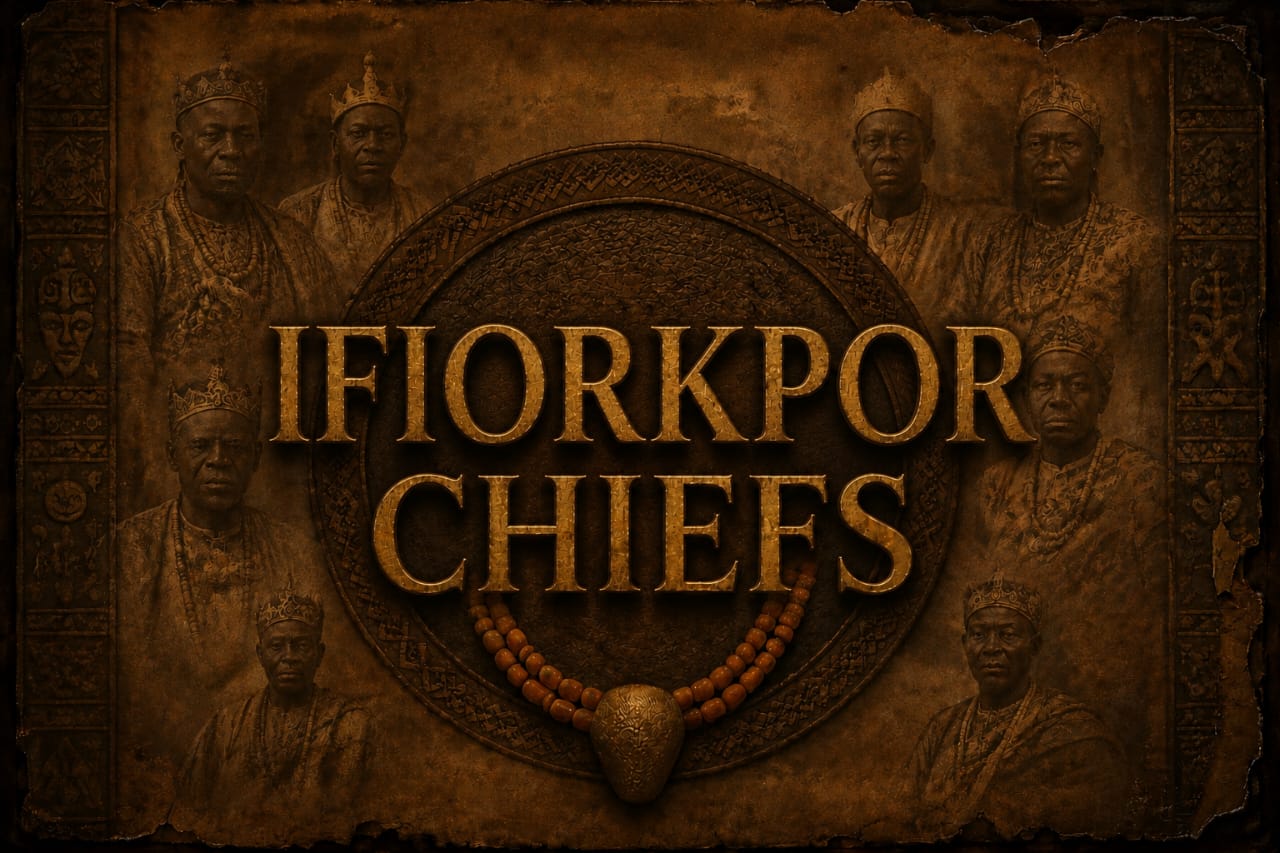
The Ifiorkpor Class Chiefs constitute the third distinct order within the Agbor Kingdom traditional hierarchy, serving as a vital bridge between local community administration and the royal palace of His Royal Majesty, the Dein of Agbor. While a significant portion of Ifiorkpor titles are strictly hereditary descending through lineage from father to eldest son others are governed by gerontocracy, where leadership and chieftaincy rights pass to the oldest surviving man within a family, quarter, or council.

Royal Council member
ROYAL COUNCIL

The Honorary Cabinet

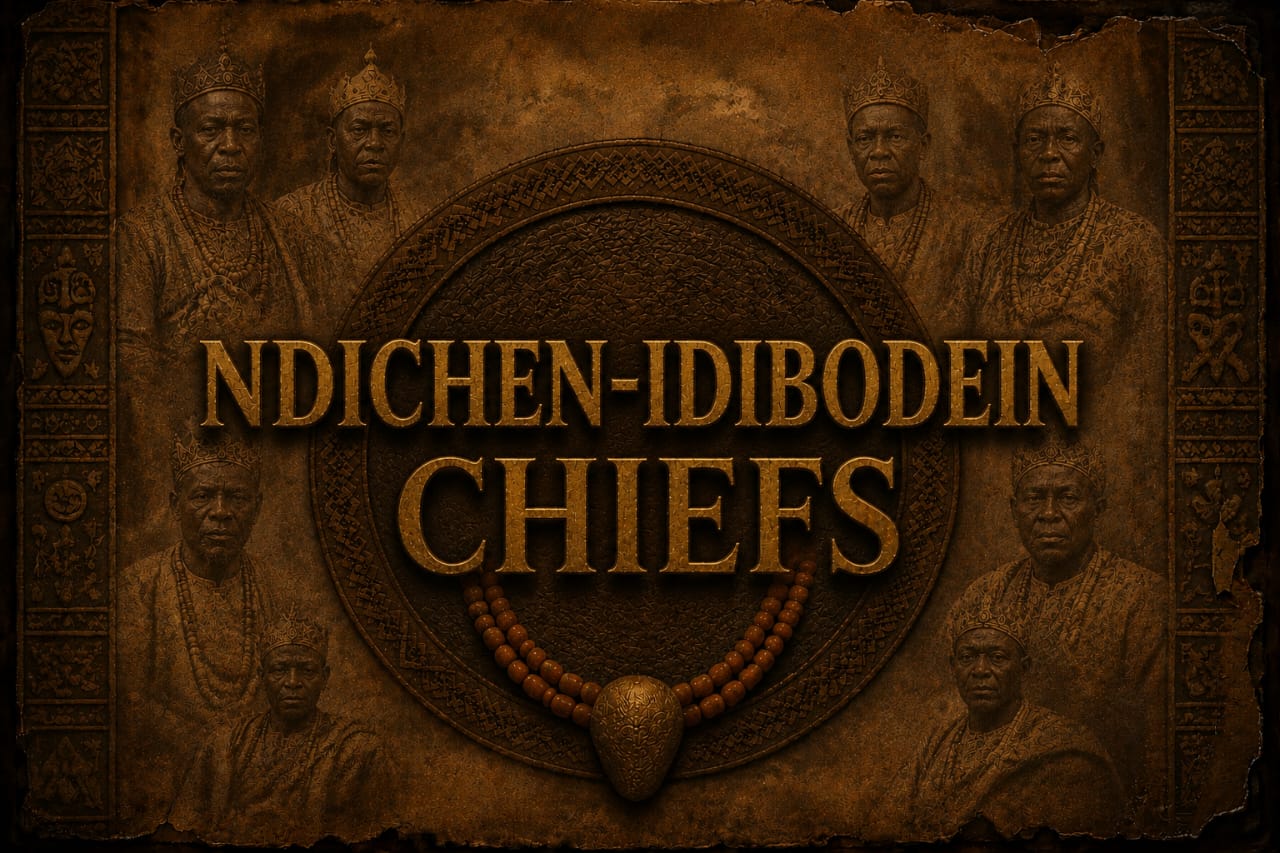
The Ndichen-Idibodein Class Chiefs represent the fourth tier within the Agbor Kingdom traditional hierarchy. Distinct from the hereditary and gerontocratic orders, the Ndichen-Idibodein titles are strictly non-hereditary. They are bestowed at the sole prerogative of His Royal Majesty, the Dein of Agbor, upon distinguished individuals whenever it pleases the monarch to recognize exceptional merit, loyalty, and service to the Agbor Kingdom.

Royal Council of Agbor Kingdom

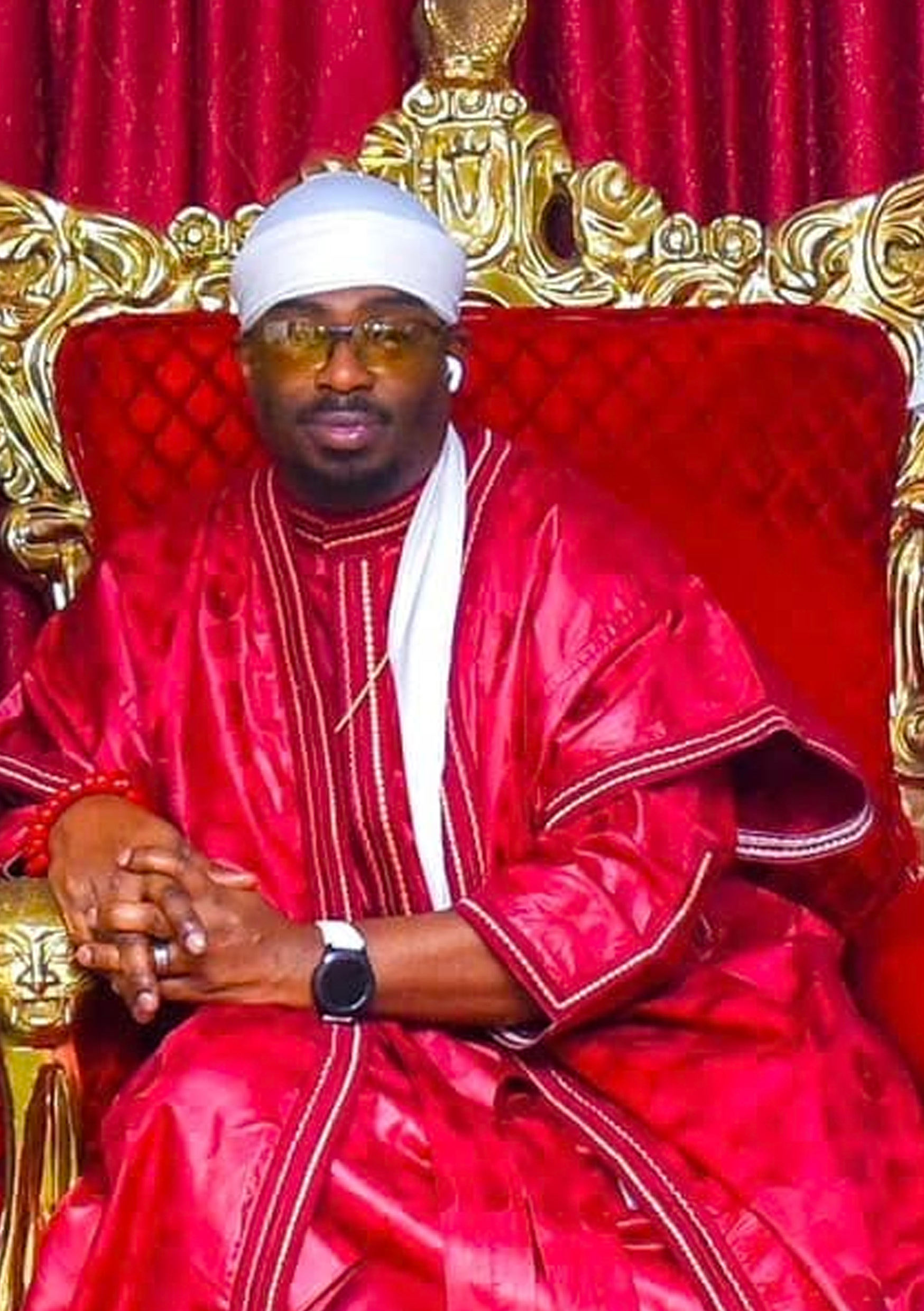
The Dein of Agbor Kingdom

His Royal Majesty, the Dein of Agbor, stands as the supreme custodian of ancient traditions, sacred authority, and territorial integrity within the Agbor Kingdom.

As the royal center of governance, the Dein provides sovereign leadership, unites all traditional chieftaincy tiers, and guides the socio-cultural and administrative progress of the kingdom.

Preserving the Institution

The Council contributes to the continuity of traditional leadership and the preservation of the values, customs and heritage of Agbor Kingdom.